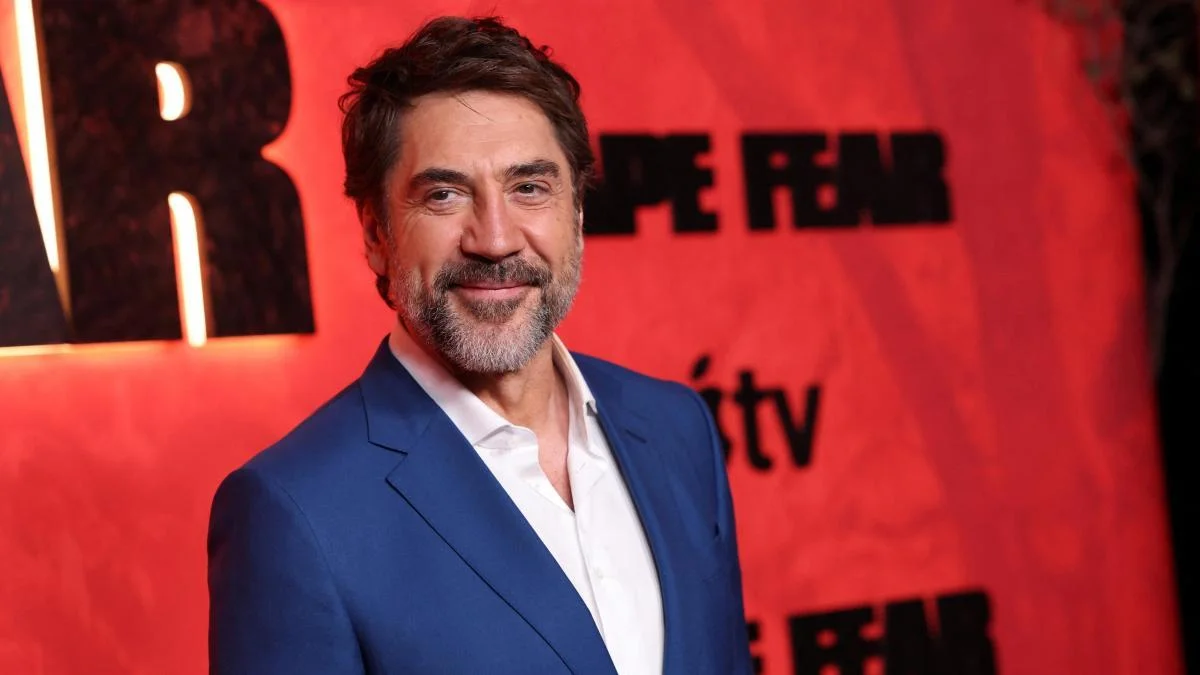
Javier Bardem supports a petition urging UNICEF to revoke Pink's ambassadorship over her reaction to pro-Palestinian comments during a concert.
Controversy Unfolds Amid Celebrity Statements
The recent tensions surrounding Ed Sheeran's tour took a new turn as Javier Bardem publicly supported a petition calling for UNICEF to withdraw Pink's role as an ambassador. This followed Pink's reaction to Macklemore's pro-Palestinian sentiments, amplifying discussions around the artists’ participation in global humanitarian issues. The intersection of celebrity advocacy and humanitarian responsibility is under scrutiny, raising questions about how public figures engage with controversial political statements.
Following the Backlash
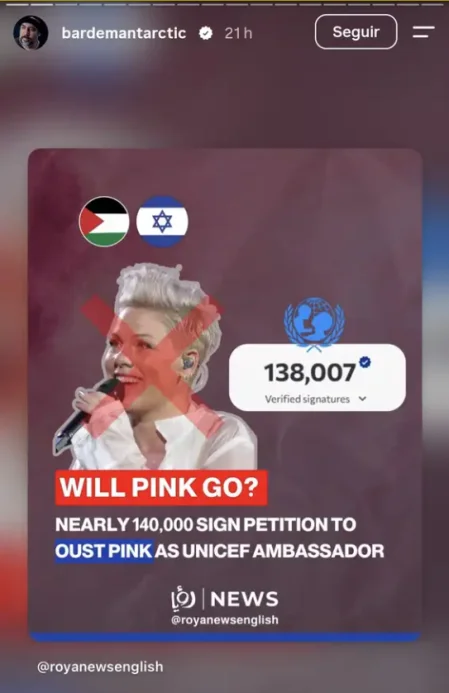
Bardem shared messages on his Instagram Stories promoting a petition launched on Change.org, which has gained over 160,000 signatures. His endorsement highlights a growing sentiment that Pink's comments are at odds with the values expected from a UNICEF representative. The fact that such a high-profile petition has garnered considerable attention showcases the polarized environment where celebrities' personal views can directly influence their professional affiliations.
The Source of the Conflict
The controversy originated when Macklemore made a public statement advocating for Palestinian freedom during a concert. In response, Pink tweeted a critical message about Macklemore's statement, reposting content from StopAntisemitism that characterized the performance as "horrible" and suggested ticket holders should receive refunds for the show. This dynamic illustrates how quickly supportive gestures can become divisive, especially when tied to geopolitical issues. The backlash to Pink's tweet reflects broader societal debates, where the lines between artistic expression and political stance are often blurred.
Social Media Reactions
Pink's remarks sparked widespread criticism online, leading her to respond with tweets asserting her position. One memorable line read: "If they want to paint you as the villain, pose," signifying her defiance against the backlash she faced. This reaction not only showcases Pink’s resilience but also highlights the power of social media as a battleground for control over public narratives. Artists in similar positions must navigate the treacherous waters of public opinion daily, where support and condemnation often come at the same time.
The Impact on the Tour
The situation escalated when Macklemore was removed from Sheeran's tour, a decision that ignited further criticism and prompted other performers to step down as well. Sheeran eventually spoke out, clarifying that the decision to exclude Macklemore was not his own. This raises a significant question about the power dynamics between artists and promoters. Who has the final say regarding cancellations, especially when sensitive political issues are involved?
Addressing the Complexities of Expression
Diving deeper into the discussion, Sheeran acknowledged the complexities surrounding freedom of expression and the conflict in the Middle East during a concert in Philadelphia. He described the current plight in Gaza as “catastrophic, unjustifiable, and disproportionate.” This point reflects a reluctance among artists to take clear sides in polarizing issues that may alienate segments of their fan base. The idea that artists must cater to a diverse audience complicates their ability to make bold statements about sensitive topics.
Bardem's Involvement and Call for Action
Amidst this backdrop, Bardem has chosen to advocate for the petition against Pink, arguing that her statements clash with the mission of UNICEF. The petition asserts that ambassadors must champion peace, understanding, and humanitarian values over personal biases. This underlines a persistent tension between personal freedom and the responsibilities that come with public stature. Bardem’s actions seem aimed at holding fellow celebrities accountable, yet one could argue it risks stifling genuine dialogue on urgent humanitarian issues.
Those behind the petition believe that it’s crucial for UNICEF to ensure that public figures representing the organization adhere to its fundamental principles, working to protect the rights and dignity of all children, irrespective of their political views or affiliations. This belief speaks volumes about society's expectations of celebrities—not just to be entertainers, but also to be moral compasses.
What's Next?
The consequences of this ongoing debate highlight the delicate balance celebrities must strike between personal beliefs and public roles, particularly in organizations like UNICEF that are committed to humanitarian issues on a global scale. As the discussion continues, the actions taken by organizations will likely reflect the changing expectations of their ambassadors. If you're working in this space, consider the implications: how do you maintain your integrity while aligning with broader goals?
Implications for Celebrity Activism
The fallout from this situation signifies more than a simple clash of opinions; it’s a harbinger of the challenges that lie ahead for celebrity activism. Public figures may find themselves increasingly scrutinized for their off-stage declarations. This reality might prompt artists to reconsider how they address political issues, especially those laden with historical complexity. The stakes are high. Artists have the potential to influence public opinion, but they must tread carefully, lest they risk losing their platforms. And yet—as many fans demand authenticity—silence could prove equally damaging. Crafting a dialogue that maintains a commitment to humanitarian values while acknowledging personal beliefs is no easy task. You could argue this is more significant than it looks.
Discussion
Sign in to join the discussion.