Strategic planning in home renovations minimizes delays and costs while enhancing client satisfaction through integrated project management.
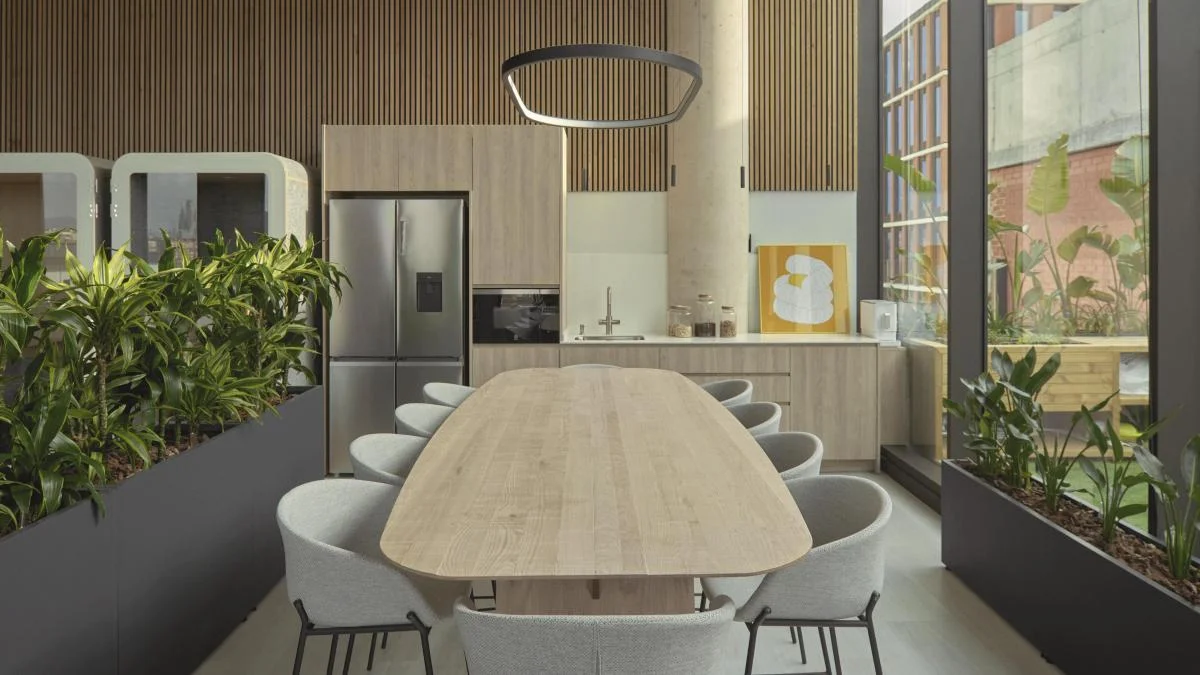
When it comes to home renovations, the process begins long before construction crews arrive on-site. It kickstarts with a thorough assessment of needs, followed by defining layouts, selecting materials, and organizing the phases of execution. Amidateva, a company based in Vic, specializes in interior design, custom furniture, and complete renovations, embodying this proactive approach.
Marc Solé, the company's manager, asserts that effective planning won't eliminate all unexpected issues that come with renovations, but it can help clients make informed decisions, reduce costs, and manage incidents more effectively. “Improvisation during a renovation often leads to increased time, costs, and stress for the client,” he explains.
“Our goal is for the client to understand what will happen, how it will happen, and who is responsible for each phase before work begins.”
Defining the Project Before Execution
For Amidateva, the initial step in a renovation isn't about tearing down walls, but translating the client's needs into a well-defined project. Solé emphasizes that the layout, installations, materials, furniture, and finishes must be viewed as interconnected components of a singular solution. “Starting even a few days sooner doesn't help if the project halts due to unresolved decisions, missing materials, or technical details,” Solé highlights.
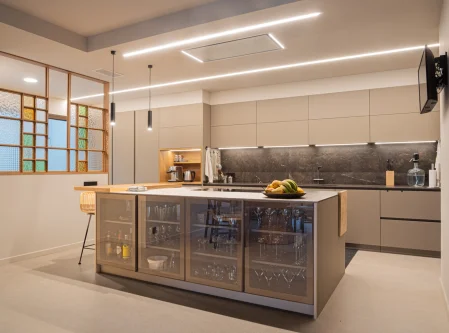
The company adheres to a structured approach comprising three primary phases: first, developing a "functional" and "realistic" layout; second, specifying materials, equipment, and finishes well in advance; and finally, preparing a detailed work schedule that synchronizes orders, contractors, and tasks. This leads to a more organized process with fewer surprises and an improved ability to manage timelines and budgets.
Single Point of Contact for Comprehensive Management
One of Amidateva's key differentiators is its holistic management offering. Clients have a dedicated point of contact overseeing design, construction, installations, cabinetry, and final touches. This integrated perspective prevents isolated teamwork among contractors and ensures that aesthetic choices are technically viable.
The company's experience with custom furniture and cabinetry provides an added advantage in kitchens, wardrobes, and other spaces where every detail matters. “It’s not just about selecting quality products; it's about ensuring the distribution, installations, furniture, and finishes work together to align with each client’s lifestyle,” Solé articulates.
Twenty Years of Evolution
Starting out as a furniture retailer, Amidateva has evolved over the years to include design, woodworking, contractor coordination, and project management. This progression has enabled the company to transition from supplying products to offering complete solutions while retaining the craftsmanship required for custom work.
Ongoing training is crucial in this evolution. The team consistently updates their knowledge regarding products, construction systems, regulations, management practices, and new digital tools. Within the Guild of Renovations of Catalonia, Amidateva finds professionals who train, support, and advise businesses to enhance overall industry professionalism.
“Clients seek a great outcome, but they also want peace of mind knowing a professional team is managing the entire process.”
For Solé, optimizing internal processes isn't merely an administrative task; it’s a direct means to enhance service delivery. “Being more efficient allows us to invest more time in the project, foresee problems, and remain competitive without sacrificing quality. Clients want a satisfactory result, along with the assurance that a skilled team is coordinating every aspect,” he emphasizes.
Leveraging AI for Enhanced Design
Artificial intelligence is reshaping how interior spaces are conceived and visualized. Clients now have more tools to explore styles and generate design references, but an appealing image alone doesn't guarantee a smooth renovation. “Every design requires meticulous checks of dimensions, installations, materials, compliance with codes, budget, and construction viability,” Solé notes.
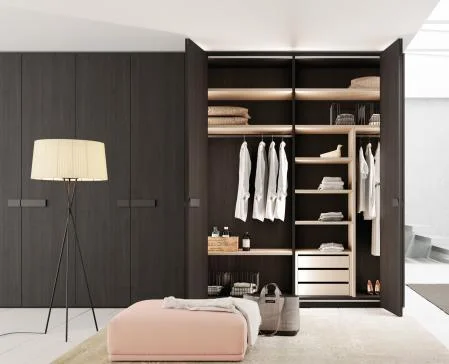
At Amidateva, AI is viewed not as a replacement for human designers but as a tool to streamline the creative process and improve client communication. “Our uniqueness lies in combining aesthetic sensitivity with technical expertise and practical experience. While technology aids in visualizing ideas, it is the professional who must transform them into safe, durable, and finely executed spaces,” he asserts.
Practical Energy Efficiency
Energy efficiency remains an essential focus in contemporary renovations. Enhancing insulation, upgrading windows, selecting suitable climate control systems, and minimizing consumption not only boost comfort but also lower energy expenses. Nevertheless, solutions should be tailored to the building, its use, and the intended investment while adhering to applicable regulations.
“Our role involves providing honest guidance: clarifying which actions are sensible, the improvements they can provide, and the best methods to incorporate them into the overall renovation,” Solé explains. This blend of planning, technical knowledge, and supportive guidance encapsulates Amidateva’s approach: a single point of contact and one cohesive solution for transforming homes with greater control and tranquility.
Discussion
Sign in to join the discussion.