The Peruvian government has revamped ticketing for Machu Picchu to eliminate reservation delays and enhance availability for visitors.
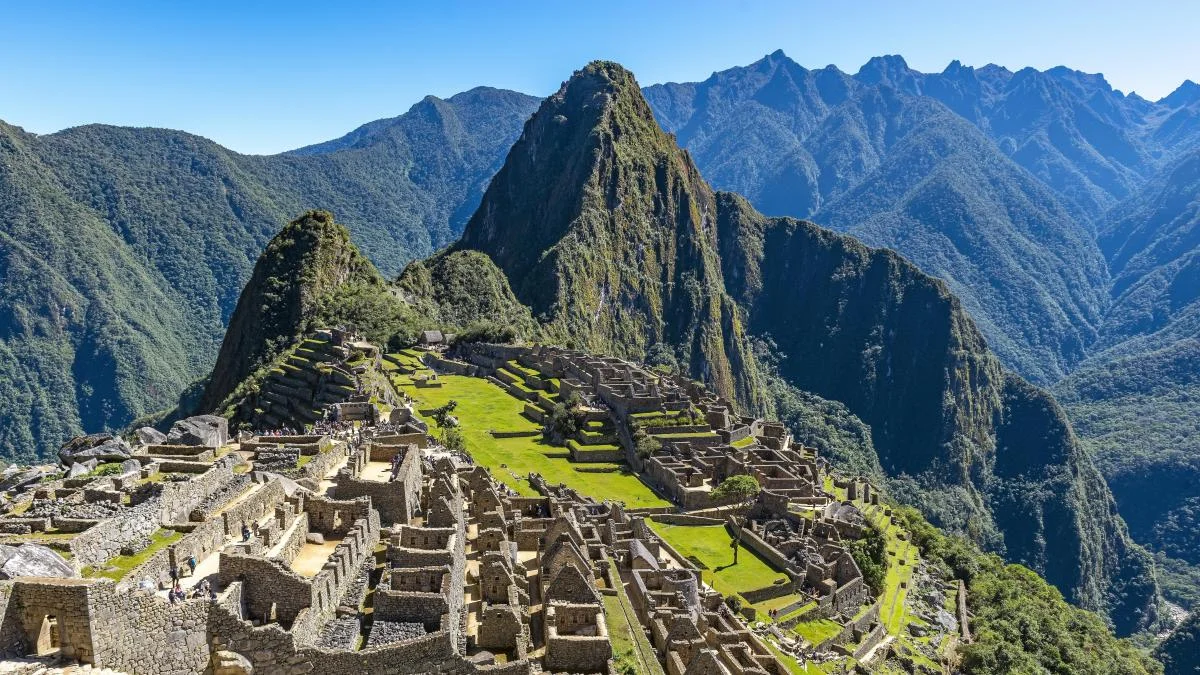
Obtaining a ticket for Machu Picchu has long been a challenge, particularly during peak tourist seasons. Compounding the issue was a system that left many tickets marked as occupied without being purchased. According to a recent government audit, a staggering 131,626 out of 209,051 booking attempts across eight tour companies were canceled, meaning only about 35% of reservations were successfully completed.
This situation left many visitors frustrated, as tickets remained blocked while not being processed for purchase by others. In response to these challenges, Peru has announced a significant overhaul of its ticketing system. The previous practice of reserving tickets for three hours has been scrapped in favor of a direct sales approach.
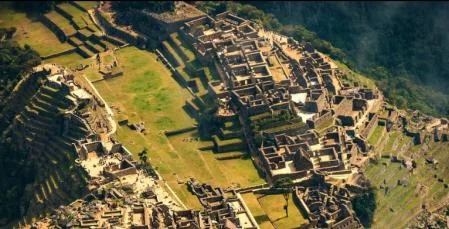
62.96% of Reservations Canceled
Two-Thirds of Reservations Went Unfulfilled
The former system allowed users to hold a ticket for three hours before completing the transaction—essentially blocking it from other potential buyers during that time. However, closings of nearly 63% of these reservations created an uneven purchasing experience, making it exceedingly difficult for other travelers to secure tickets they might have been interested in.
The revised strategy is straightforward: when visitors find availability, they now have a maximum window of 15 minutes to finalize their purchase. If the transaction isn’t completed within that timeframe, the ticket is released back into the pool for others to buy. This change promises a quicker turnaround, ensuring that tickets will be available again almost immediately after an incomplete purchase.
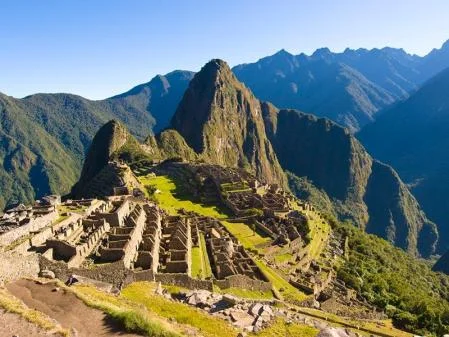
The state-run platform, Tu Boleto, continues to manage online sales, while travel agencies remain engaged in sales for the Inca Trail opportunities.
1.5 Million Annual Visitors
Machu Picchu Attracts 1.5 Million Tourists Each Year
In 2024, Machu Picchu welcomed approximately 1.5 million visitors, a number that brings it back to its pre-pandemic attendance levels. The site must accommodate this influx while ensuring the safety and preservation of its invaluable archaeological resources.
Thus, management of visitor density is a paramount concern. Currently, the site has a maximum daily capacity of 4,500 visitors, which can swell to 5,600 during high seasons, particularly from June 19 to November 2. Maintaining these limits is crucial for the site's ongoing conservation.
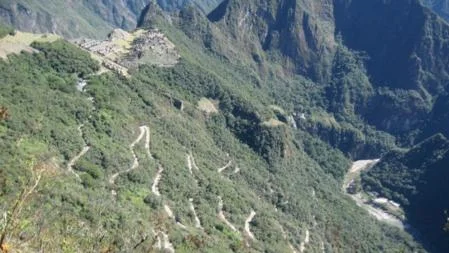
Machu Picchu's significance as both a UNESCO World Heritage site and a major tourist destination adds layers to the complexity of managing visitor access. Authorities are currently faced with balancing tourism with preservation, often determining when specific sections of the site need to be restricted to protect it from excessive foot traffic.
Ongoing Tourism Pressure
UNESCO Calls for a Reevaluation of Visitor Limits
The saturation of tourism hasn’t gone unnoticed. In 2026, UNESCO reiterated its concerns regarding visitation rates exceeding the guidelines established in the 2015 sustainability study. The need for a periodic re-evaluation of access limits is urgent to ensure that Machu Picchu retains its universal value and prioritizes visitor safety.
The Peruvian authorities, on their part, have introduced measures aimed at lessening visitor impact, including regulated pathways, entry time restrictions, and ongoing evaluations of the archaeological integrity of the site. These adjustments are designed to address the increasing foot traffic while preserving the site for future generations.
Visitor Capacity Remains Fixed
Maximum Entry Limits Persist
The revamped ticketing system doesn’t equate to an increase in the number of visitors allowed on site each day. As noted, the daily cap remains set at 4,500 standard entries, with the peak figure remaining capped at 5,600 during high seasons. Moreover, there is a provision for on-site sales of up to 1,000 tickets daily in Machupicchu Pueblo for those who wish to purchase in person for next-day access.
The adjustments in ticketing aim more at improving the efficiency of the sales process rather than increasing traffic flow into this storied site. Visitors will now find themselves needing to make swift decisions upon planning their trips, as rapid ticket availability will reshape their purchasing behavior.
Discussion
Sign in to join the discussion.