Former football legends are stepping into coaching roles for their national teams, bringing experience and authority to a new generation of players.
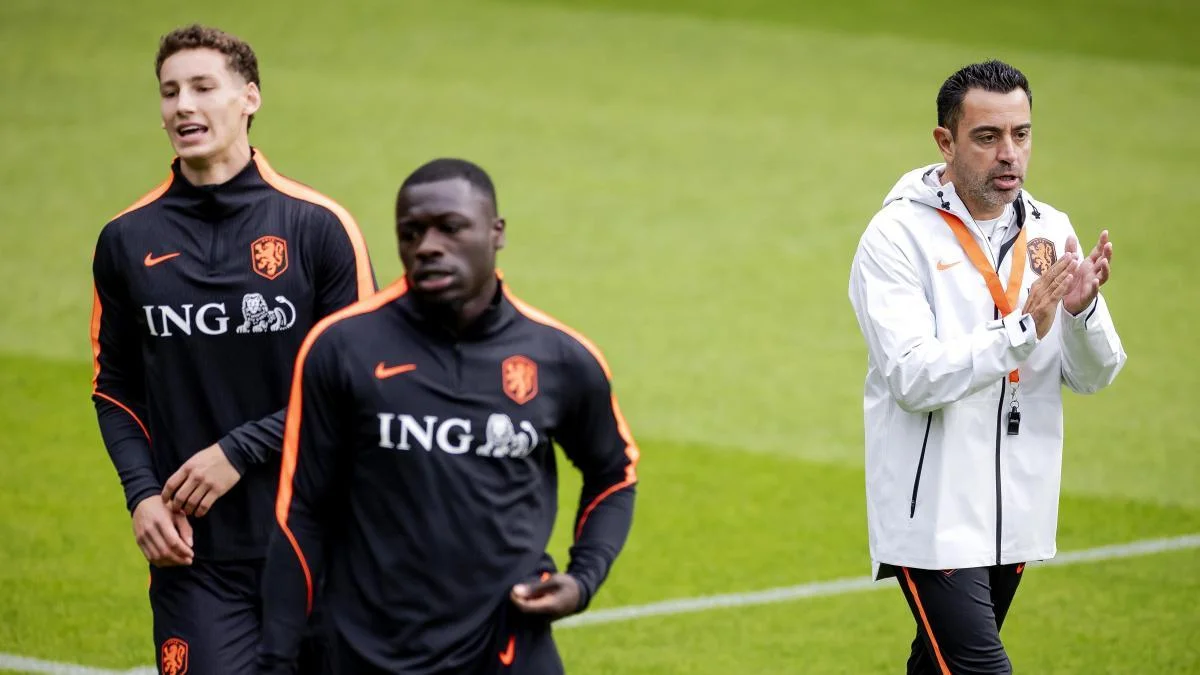
Looking at the sidelines during the current FIFA window evokes nostalgic memories reminiscent of those iconic early YouTube ads showcasing the football superstars of the early 2000s. On the touchlines, many legendary players who once dazzled fans are now ready to show their skills in coaching. They won't just observe; they'll guide the next crop of football talent.
The Transition from Player to Coach
Xavi Hernández, known for his exceptional playmaking ability, and Zinédine Zidane, renowned for his calm under pressure, are two figures stepping into significant coaching roles. They'll command respect not just because of their past glories but also due to the wisdom they’ve acquired over the years. Patrick Vieira, who excelled at intercepting plays, along with Diego Forlán, a goal-scoring machine, and Rafa Márquez, a solid defensive leader, are also transitioning from the pitch to the sidelines with the intent to inspire and educate.
This shift is not merely about nostalgia; it reflects a broader trend in football where former players increasingly take on leadership roles. There’s a sense of urgency in developing the next generation of talent. Coaches who’ve played at the highest levels often possess unique insights, making them invaluable to younger players navigating the complexities of the modern game. They understand not just the strategies but also the mental toughness required to succeed.
Zidane and Vieira
Champions of 1998 with France and 2010 with Spain now mentor future talents
Now, they possess the moral authority that national federations seek to motivate and mentor current players. Xavi, who succeeded Koeman at Barcelona and led them to domestic success, is set to bring a rejuvenated approach to the Netherlands, fostering the next generation of players like Lamine Yamal, Fermín, and Cubarsí. These young players represent the potential future of their national teams and are in crucial stages of their development.
Zidane's Legacy in Coaching
Champions League Glory
Zidane’s ascension to lead the French national team was almost a foregone conclusion following his successful career. Although he hasn't coached since May 2021, his earlier tenure at Real Madrid—marked by three consecutive Champions League titles—has set a high bar for expectations. Other countries look to replicate his methodology, focusing on discipline and player management complemented by strategic foresight. His track record speaks volumes, and it creates an atmosphere of anticipation regarding how France will develop under his guidance.
Meanwhile, Márquez was already involved with the Mexican national team’s coaching staff and is now anticipated to take on a more prominent role as the team gears up for another World Cup. His insights, particularly in defense, could be key to how Mexico approaches international competitions. There are high hopes that he can instill confidence and resilience in a talented but sometimes inconsistent squad.
Germany, Italy, and Portugal
Veteran coaches rise to reinvigorate their national teams
Across the globe, experienced coaches are stepping up to carry their countries forward. In Germany, Jürgen Klopp takes the helm, emerging from a self-imposed hiatus after a demanding tenure at Liverpool. Klopp's high-pressing style might inject a fresh vigor into the German team, which likely hopes to recapture the fluidity it once had.
Portugal has turned to Jorge Jesus, who has experience in galvanizing talent across his managerial stints. Meanwhile, Italy seeks stability under Roberto Mancini, who led them to the Euro 2020 triumph after several disappointing tournaments. These nations are banking on the wisdom and tactical acumen of these veteran coaches to help navigate the competitive waters of international football.
Notably, in South America, former players are also rising to leadership positions. Following a challenging tenure with Marcelo Bielsa, Uruguay is now putting faith in Forlán, who previously learned under Óscar Tabárez. Forlán’s unique perspective as a player who thrived in both domestic and international arenas may enrich Uruguay's tactical setup. Other surprising assignments include Marcelo Gallardo with Ecuador and Mark van Bommel in Belgium, indicating a trend of clubs looking for familiar faces to guide them back to glory. Meanwhile, Vieira aims to impart his knowledge to Senegal, his country of birth. His experience in both the Premier League and international competitions should prove beneficial.
The Broader Implications
The significant reshuffling in national teams shows that youth isn’t the only path to rejuvenation. Spain, already backed by De la Fuente, as well as England, Argentina, and Brazil, remain committed to their respective projects. With many beloved former players stepping into coaching roles, this trend signals a turning point in how teams approach recruitment and long-term strategy. There’s a new acknowledgement that blending youthful innovation with seasoned experience can foster a stronger, more resilient team dynamic.
And yet, there’s something to consider: Will these veteran coaches adapt their styles effectively to meet the demands of contemporary football? If you're working in this space, that question should resonate. Tradition often conflicts with modern strategy, and not every former player becomes a successful coach. The challenge will be not only to lead but also to connect with younger players who might have a different mindset and set of expectations. All eyes will be on figures like Guardiola, who remains on the sidelines and could be eyeing a future role with a national team. What this means for you as a football fan is that the coaching evolution we’re witnessing now could reshape the sport’s future dynamics. खुदको तैयार रखना, it's going to be interesting.

Discussion
Sign in to join the discussion.