The U.S. military buildup near Iran heightens regional tensions, leaving key players contemplating potential outcomes as diplomatic talks falter.
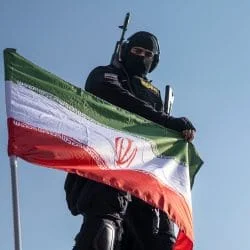
With the Middle East on edge, the U.S. is ramping up a significant military presence around Iran. This posture signals a possible shift towards confrontation, prompting anxieties about a wider regional conflict.
While anticipation grew for clarity from President Donald Trump during his recent State of the Union address, listeners were left wanting. With indirect discussions with Iran set to resume, Trump stated his preference for diplomacy but emphasized his steadfast stance against Iran becoming a nuclear threat. He remarked that Iran desires a deal but hasn’t offered firm assurances concerning their nuclear ambitions.
Those negotiations, led by business magnates Steve Witkoff and Jared Kushner, show signs of optimism from Iran. Officials have indicated their willingness to compromise on nuclear issues, proposing ideas such as transferring half of their enriched uranium abroad and ensuring peaceful uses are monitored. Nevertheless, this optimism contrasts sharply with Iran's current uranium enrichment, nearing 60%, which raises valid questions about their intentions.
Witkoff and Kushner remain watchful for any Iranian delays or deceit. What's concerning is the lack of definitive outcomes from the Geneva talks. Both parties seem to be stalling — Iran to fend off U.S. aggression and the U.S. to prepare a formidable military show of force, the largest since the Iraq invasion in 2003.
The fear that U.S. military action is imminent is palpable. Should bombs rain down on Iran, analysts predict that Tehran would retaliate fiercely, potentially igniting a regional war. This isn’t merely a symbolic conflict; U.S. military facilities, Gulf Arab nations, and even Israeli interests could be targeted. The specter of escalating violence would compel Israel to respond aggressively, and groups like Hezbollah might join the fray, further complicating the situation.
Recent developments hint at this escalation. The U.S. has begun withdrawing non-essential personnel from Gulf bases and reduced staff at its embassy in Beirut. Meanwhile, Israel has ramped up its military operations against Hezbollah, showing a readiness to hit back hard if the conflict broadens. Despite the lull since a ceasefire, Hezbollah’s significant casualties highlight the ongoing tensions.
Yet, the crucial question persists: is a direct confrontation inevitable? Trump's strategic outlook appears muddied. His advisors circle the spectrum of hawkish to more reserved approaches, creating a chaotic advisory environment as the midterm elections loom on the horizon. Balancing his campaign promises of withdrawing from protracted conflicts with a potential decision to engage in another war complicates his political standing.
Internally, Trump’s military buildup seems aimed at forcing Iranian compliance. Witkoff's puzzled remarks reflect the administration's frustration that Iran hasn’t capitulated under pressure. But Iran's Minister of Foreign Affairs, Abbas Araqchi, succinctly countered this notion: “It’s because we’re Iranian.”
Contrasting with Venezuela’s situation, where U.S. maneuvers achieved tactical advantages, Iran represents a complex adversary steeped in longstanding military and societal structures. Simply targeting key figures within Iran, such as Supreme Leader Ayatollah Ali Khamenei, wouldn’t likely yield the desired regime change. A comprehensive military effort would be essential, demanding a sustained commitment that might exceed U.S. operational limits.
Israel's role adds another layer to this geopolitical puzzle. Reports suggest some U.S. advisors believe preemptive strikes by Israel could allow for a clearer narrative and less backlash against the U.S. However, Israeli Prime Minister Benjamin Netanyahu, facing his own electoral timeline, may hesitate, wary of entangling the U.S. in a protracted conflict.
Israel’s interests often diverge from America's strategies in the region. While Israel may seek Iranian destabilization, the U.S. might prioritize different objectives, leading to potential discord in their collaborative efforts, particularly in Syria.
Two undeniable realities frame this ongoing situation: the Iranian populace’s deep-seated discontent with their government and Israel’s unwavering determination to see this regime dismantled. However, if Trump is reluctant to embrace this goal, navigating a face-saving exit from heightened military readiness will be critical.
A version of this story was published in this week’s Coda Currents newsletter.Sign up here.
Related Articles

The post The phoney war: Will the U.S. strike a decisive blow against Iran? appeared first on Coda Story.
Discussion
Sign in to join the discussion.