The phenomenon known as "Ozempic face" highlights the cosmetic impacts of quick weight loss and emphasizes the need for professional guidance.
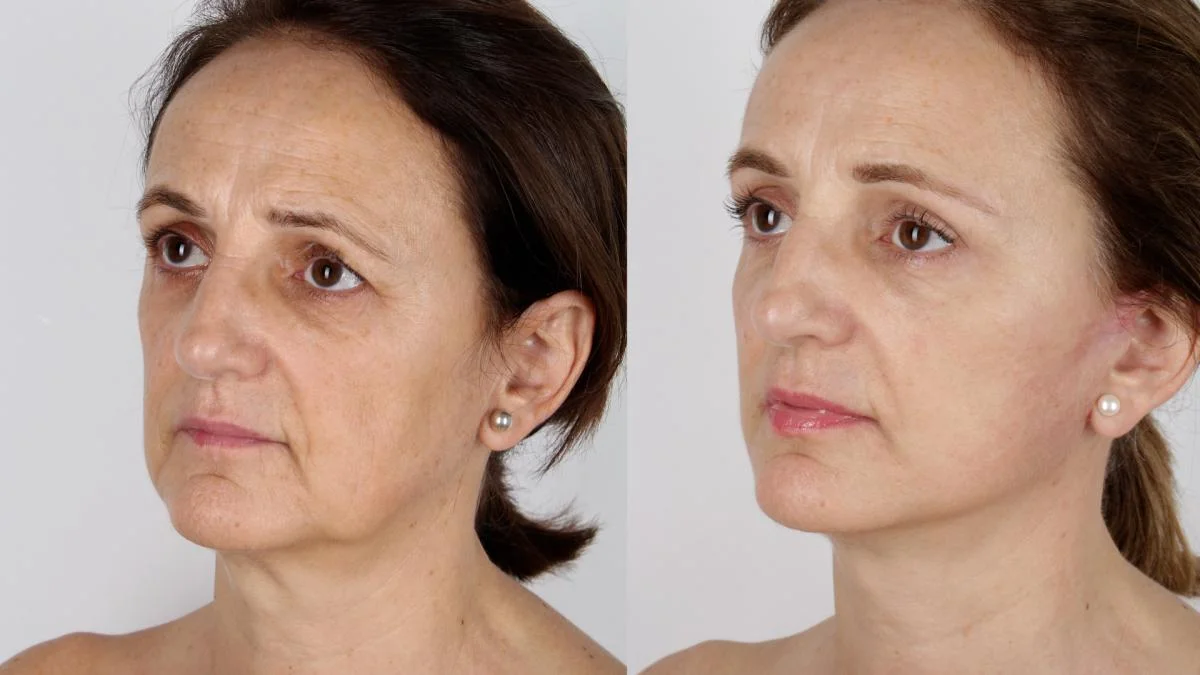
You've likely encountered discussions around the term "Ozempic face" or "GLP-1 face." This trend has gained traction on social media, depicting faces that appear gaunt and lacking volume after rapid weight loss. It’s not just a casual observation; many are grappling with the aesthetic consequences of fast-paced weight loss, particularly those using medications like Ozempic. This term has become shorthand for a set of facial changes that accompany dramatic weight loss, often shared in forums and conversations about health and beauty.
The Connection Between Weight Loss and Facial Changes
It’s essential to clarify that the medication itself doesn't directly cause this effect. There’s a significant distinction between the role of GLP-1 drugs in weight management and the physical manifestations seen on the face. While medications can catalyze weight loss, the swift loss of body fat often results in a corresponding decrease in facial fat, and skin may not adjust quickly enough to this change. This disparity can lead to a surprisingly altered appearance for many users, sparking debates over the aesthetics of rapid dieting.
Common signs associated with "Ozempic face" include hollowed cheeks, more pronounced wrinkles, and less defined jawlines, leading to an overall look of fatigue. Each of these changes can impact not just physical appearance but also emotional well-being and self-perception. You might find yourself wondering if weight loss is worth the trade-off of feeling less confident or looking older than before. This psychological aspect is frequently buried beneath the excitement of weight loss achievements, but it remains pivotal in discussions about the health and aesthetic outcomes of such treatments.
Prevention and Management of Ozempic Face
Can you prevent these changes? In part, yes. Preventive care is often where individuals focusing on weight loss fail to pay close attention. A significant portion of what's termed "Ozempic face" arises not from the medication but from how weight loss is handled. When this process lacks professional oversight, muscle mass can diminish alongside fat, exacerbating facial tiredness and the general impression of physical decline. Many people underestimate the importance of maintaining muscle mass during a weight loss journey; it’s vital for shaping the body and enhancing facial contours.
What this means for you is a need to prioritize a holistic approach. A tailored strategy involving a specialized team capable of personalizing medication and incorporating nutritional guidance can make a world of difference. This multi-faceted view not only focuses on shedding pounds but also on how to do so with intention—preserving muscle along the way. Engaging with dietitians or personal trainers can provide insights that are often overlooked in typical weight loss regimens. You want to approach this carefully, given that the nuances of body composition play a significant role in how weight loss affects your appearance.
Considering Surgical Options
What if these changes have already set in? For those who find that non-invasive methods aren’t sufficient, more structural concerns often lead to considering a facelift. This procedure involves repositioning the SMAS (superficial musculoaponeurotic system), skin, muscles, and fat; it’s designed to remove excess tissue while working deep within the facial structures. This isn’t just cosmetic; it proves particularly effective for the lower third of the face, especially where jawline definition has faltered or neck sagging has emerged. But make no mistake—this is a serious commitment that requires thorough consultation with a healthcare professional.
Facelifts are not a one-size-fits-all solution, and their necessity hinges largely on individual circumstances. Many plunge into such procedures without fully understanding the implications of surgical recovery or the longevity of results. It’s critical that individuals assess their motivations and expectations honestly. They must consider whether they are seeking a temporary fix or genuinely wish to rejuvenate their appearance for the long haul. This is something worth reflection.
Implications and Future Outlook
As we navigate weight loss and its implications, understanding these cosmetic aspects better prepares individuals for the full scope of their physical transformations. The rise of medications like Ozempic signifies a shift in how we approach weight management, but it also reminds us of the importance of looking beyond the scale. Rapid weight loss might come with unintended side effects that aren’t immediately obvious, and those effects can challenge the often singular narrative of success surrounding weight loss.
This conversation is not just about aesthetics; it’s a cultural phenomenon that reflects our values surrounding health and body image. If you're working in this space, whether as a healthcare provider or a patient, take note: the dialogue around weight loss is evolving. Social media will continue amplifying these trends, and the aesthetic impacts of weight loss will be a critical point of focus. Look beyond just the pounds and aim for a holistic understanding of health. The implications are broader than they might first appear. The narrative needs to shift towards not just achieving weight loss but maintaining a healthy, vibrant appearance that matches the internal transformation.
Discussion
Sign in to join the discussion.