The recent surge in migration to Ceuta reveals deeper issues about borders, control, and the influence of misinformation in migration patterns.
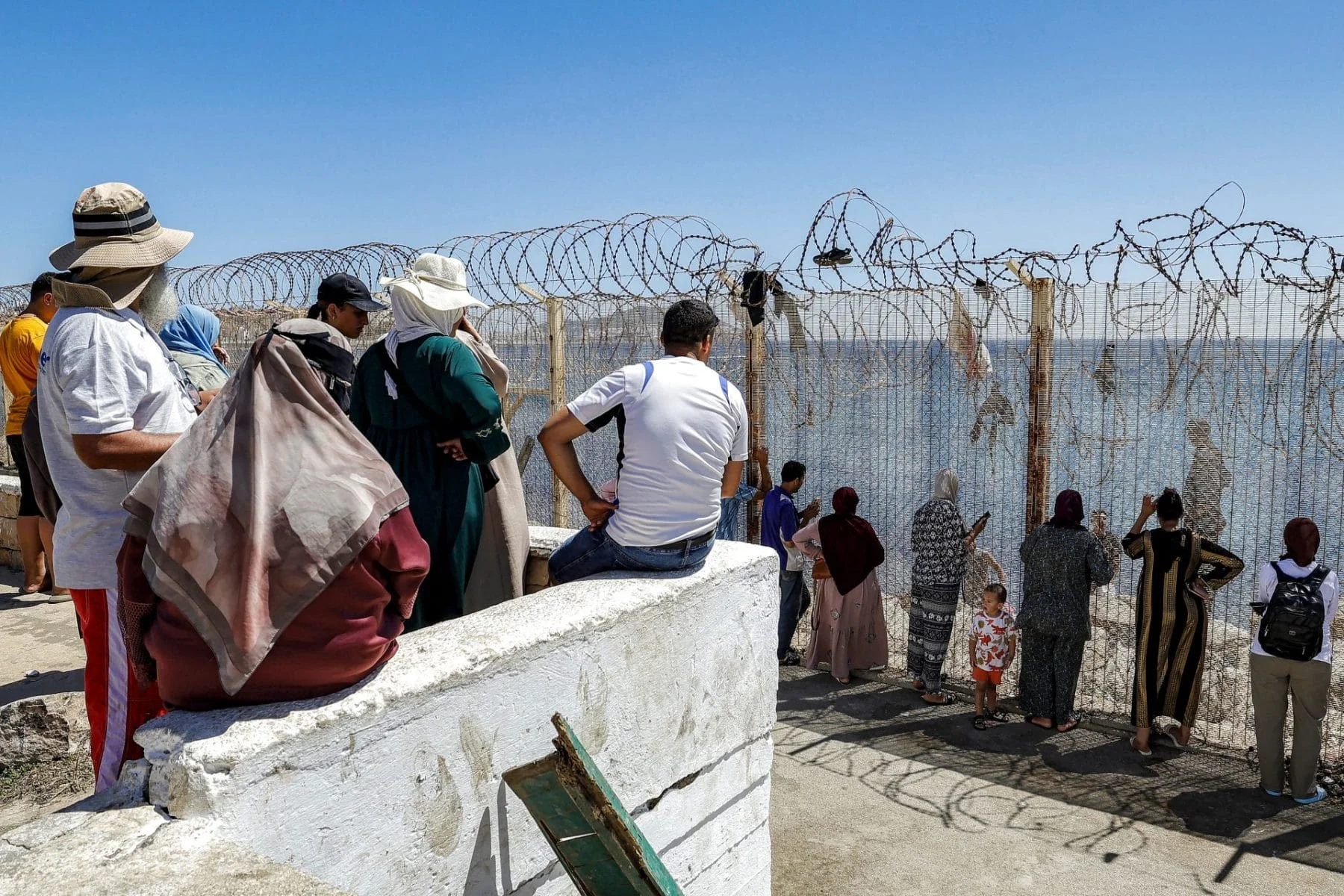
Traveling from Tangier to Ceuta, a Spanish enclave in North Africa, reveals a stark contrast between the bustling Moroccan city and the relatively subdued border crossing. On normal days, the crossing operates with efficiency; traders, expats, and local Spaniards navigate the process with minimal fuss. Yet, during certain moments, Ceuta transforms into a focal point in Europe's ongoing dialogue about migration, as highlighted by the sudden arrival of over 60,000 individuals—predominantly Moroccan men and teenagers—who nearly doubled the city's population in a single day.
This dramatic influx drew immediate attention from across Europe, sparking a heated response from right-wing political factions who framed the situation as an “invasion.” Italy took the drastic step of suspending Schengen agreements with Spain, reinstating border checks for travelers arriving by air and sea. In retaliation, Spain threatened similar measures, illustrating a fractious dynamic between member states about border management amidst rising migration pressures.
Understanding the Ceuta Crisis
Ceuta epitomizes a paradox: it lies on African soil yet operates under Spanish and EU jurisdiction. This unique status complicates its role as a migration gateway to Europe. The strait that separates Ceuta from Spain necessitates extensive border controls that only add to the complexities involved in managing migration flows. The factors that led to the mass arrival on one seemingly ordinary day remain unclear, yet they highlight the multifaceted nature of border politics and human mobility.
At the core of this situation are questions about the nature of sovereignty and borders, now defined not merely by geographic lines but by surveillance technologies and diplomatic agreements. Ceuta’s infrastructure serves as a stronghold that marries physical barriers with digital monitoring to regulate the flow of people attempting to enter the EU.
The Fortress of Steel
Ceuta's border is fortified with a complex system of fences and surveillance technologies. The Spanish and Moroccan authorities have constructed a multi-layered barrier that includes not just physical obstacles but high-tech monitoring systems—thermal cameras, motion detectors, and facial recognition software. In response to the crisis, Spanish officials recently deployed a floating barrier in the water to enhance monitoring capabilities.
These fortifications have largely been funded by the EU, which has invested considerable resources since the 1990s to secure this front line of migration control. Yet, despite decades of investment in physical security measures, the tragic reality remains: the systems in place have failed to deter the perilous attempts of migrants, resulting in reported fatalities. The evidence suggests that the emphasis on surveillance has not translated into effective crisis management or protection of human life.
The Diplomatic Dilemma
Border management in Ceuta is not just a local affair; it is tied to broader geopolitical considerations. Morocco itself has benefited from €427 million in EU funding since 2015 to manage migration, part of a strategy known as border externalization. This approach shifts the responsibilities of border enforcement onto countries outside the EU to alleviate pressure within its borders. However, this tactic also opens the door for political manipulation within those partner nations, particularly in unstable regions.
For instance, agreements with authoritarian governments in North Africa—from Tunisia to Libya—pose ethical dilemmas. They often rely on regimes that utilize EU funds for controlling migration while simultaneously repressing dissent. Critics argue that this strategy undermines European credibility and moral standing on human rights and refugee protection.
The Role of Misinformation
The rapid surge in crossings into Ceuta also brings to light the role of misinformation. Disinformation campaigns on social media may have fueled the perception that the border was open, encouraging many to embark on the dangerous journey. Reports have surfaced detailing the activities of networks that facilitated these crossings through the release of tips and routes, suggesting that the movement was partly orchestrated online.
While European officials have pledged to combat online misinformation, the connective infrastructure of information spread poses an inherent challenge to border governance. Social media has transformed the way rumors can incite action—a variable that traditional border security measures struggle to regulate.
As the European Union grapples with the implications of these events, one thing is clear: understanding how perceptions, technologies, and diplomatic agreements shape migration flows is essential for developing effective and humane responses to the challenges at Europe's thresholds.
Ultimately, the crisis at Ceuta serves as a stark reminder of the complexities of modern borders. It underscores the precarious balance between security and humanitarian responsibility, illustrating that while barriers may be erected, the human desire for a better life transcends them. As we look ahead, addressing these systemic issues will be paramount to effectively managing migration in an interconnected world.
Discussion
Sign in to join the discussion.